Revamp Your Outdoor Area: Insights From a Skilled Landscaping Professional
Redesigning an outdoor space requires thoughtful planning and evaluation. A skilled landscaping expert stresses the significance of evaluating existing features and identifying distinct spaces for multiple functions. Including structural hardscaping components can enhance the functionality of the space. In addition, opting for the ideal plants and lighting solutions can greatly impact the complete outdoor experience. Grasping these key components is vital. Which actions are necessary find the facts to transform an outdoor concept into a finished space?
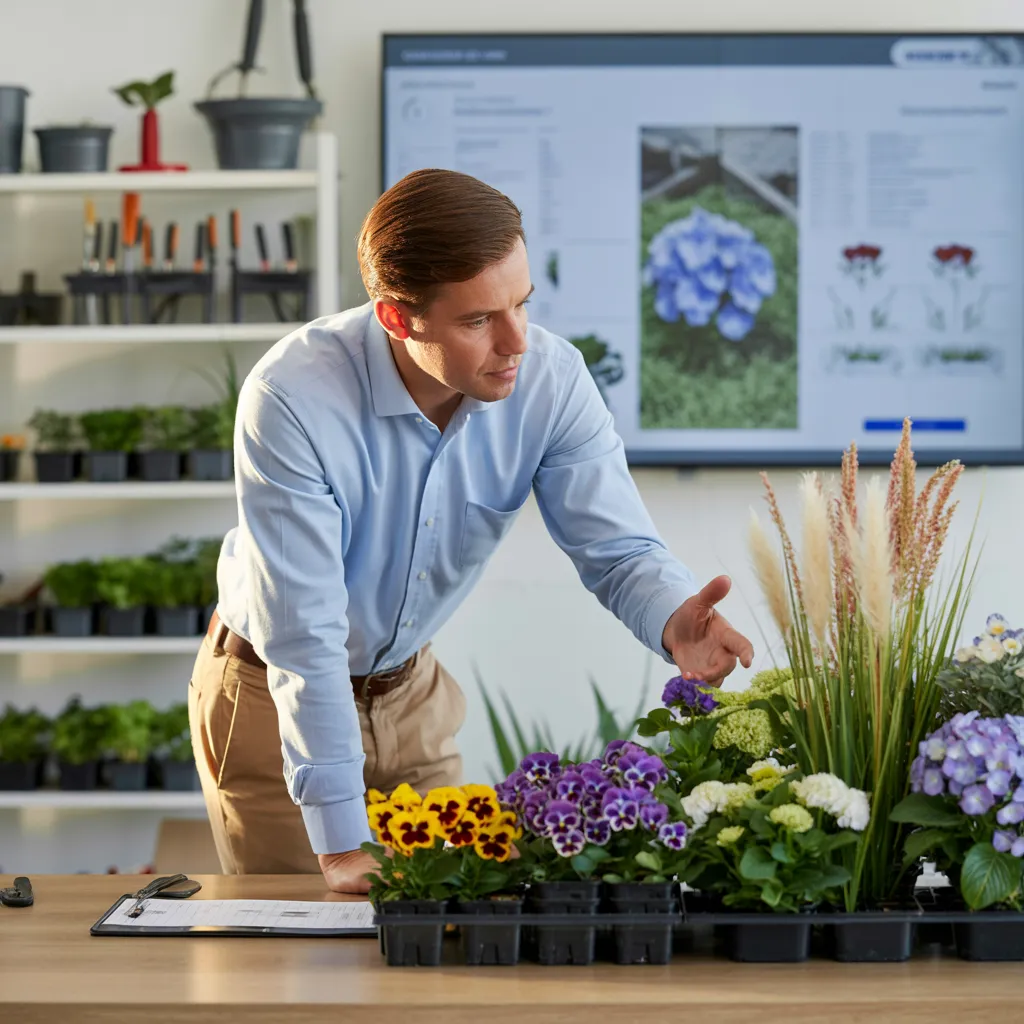
Assess Your Outdoor Space: Identify Key Changes to Make
How should one go about examining an outdoor space to pinpoint required modifications? To begin, a comprehensive assessment of the space is necessary. This involves assessing the practicality of current elements like walkways, seating areas, and illumination. Noting how these components work together can uncover opportunities for enhancement. Furthermore, it is important to evaluate the general state of vegetation and landscaping supplies, identifying sections that might need upkeep or renewal.
Next, measuring the usability of the space is important. Can you identify areas designated for relaxation, entertainment, or gardening? Recognizing underutilized spaces can highlight opportunities for enhancement. Natural conditions, including sunlight and drainage patterns, should likewise be evaluated, as they affect the health of plants and general enjoyment.
Lastly, seeking opinions from household members or frequent guests can provide valuable insights. When merging firsthand observations with outside feedback, one is able to form a complete approach for successfully redesigning the exterior space.
Establish Your Vision: Picking the Best Design for Your Outdoor Space
Picking the ideal look for a yard begins with determining personal preferences. Exploring a range of garden themes can enable homeowners create a setting that aligns with their vision and suits their requirements. By deliberately weighing these elements, homeowners can transform an outdoor area into a unified and appealing retreat.
Recognize Your Preferences
When determining the character of a garden, one should take into account personal style and the overall aesthetic vision. The journey starts by assessing personal preferences, whether drawn to contemporary clean lines, countryside appeal, or lush tropical influences. A careful assessment of color schemes, plant selections, and garden structures can direct selections that reflect one's vision. Beyond aesthetics, practical elements such as climate, maintenance levels, and available space should influence decisions. Thinking about the primary function of the garden—whether for hosting guests, unwinding, or cultivating plants—helps to narrow down preferences. At its core, defining these components builds a cohesive design that not only enhances the outdoor space but also reflects the homeowner's personality and lifestyle, laying the groundwork for an authentically customized garden journey.
Browse Garden Themes
Discovering garden themes enables home dwellers to create a distinct outdoor aesthetic that aligns with their individual style and habits. Various themes, such as Mediterranean, modern, or cottage, provide special characteristics that can be customized for personal preferences. A charming cottage-inspired garden, defined by its relaxed design and varied plant selections, conveys appeal and welcoming ambiance. Conversely, a contemporary outdoor space emphasizes structured layouts and restraint, often incorporating paved surfaces and modern elements. Mediterranean garden styles cultivate a sense of tranquility, utilizing water-wise vegetation and bold hues. In choosing a garden style, home dwellers should evaluate key aspects like environmental conditions, care demands, and aesthetic preferences. Ultimately, a carefully selected outdoor design does more than improve the aesthetic beauty and simultaneously develops a unified exterior environment that expresses the homeowner's identity.
Introduce Hardscaping for Structure
To elevate the general appeal of an outdoor environment, incorporating hardscaping elements provides essential structure and balance. Hardscaping refers to the non-plant features including patios, pathways, retaining walls, and ornamental stones that establish distinct areas within the landscape. These elements contribute to both functionality and aesthetics, channeling movement and defining key focal points.
For instance, a carefully situated stone pathway can direct people through a garden, while a raised patio can act as an outdoor living area, offering a clear transition from the home to the yard. Furthermore, integrating materials like brick, pavers, or natural stone can enhance the visual appeal and durability of the space.
Integrating hardscaping not only reduces maintenance by reducing grassy areas but also enables innovative designs that showcase personal taste. Ultimately, these elements set the stage for a unified outdoor environment, merging effortlessly with the surrounding environment.
Select the Best Plants for Your Climate
When picking plants for exterior areas, understanding the local climate is vital. This knowledge allows for the selection of native plants, which are often more resilient and better adapted to the environment. By selecting the appropriate varieties, horticulturists can improve their garden's durability and aesthetic value.
Analyze Your Local Climate
Grasping the surrounding climate conditions is crucial for selecting the right plants, as it strongly determines their growth and survival. Elements including temperature extremes, relative humidity, annual rainfall, and sun exposure serve a critical function in identifying which plants flourish. To illustrate, regions with hot summers and mild winters may be well-suited for water-conserving plants, while areas with heavy rainfall might accommodate moisture-thriving plants. Horticulturists should also evaluate seasonal variations and localized climate zones within their garden space, as these can considerably alter the success of plants. By analyzing the surrounding climate thoroughly, cultivators can design a tailored planting strategy that not only improves visual beauty but also encourages an enduring and flourishing garden ecosystem. This strategy produces healthier plants and reduced maintenance efforts.
Benefits of Native Plants
Opting for native plants for a garden corresponds perfectly with the insights gained from evaluating the local climate. These plants are adapted to local conditions, requiring less water, fertilizer, and maintenance compared to non-native species. They prosper within specific soil types and weather patterns, promoting healthier ecosystems. Moreover, native plants draw in local pollinators, such as bees and butterflies, which are essential for biodiversity. Through integrating native species, homeowners can establish sustainable landscapes that sustain wildlife while boosting the aesthetic value of their outdoor spaces. What is more, these plants often demonstrate resilience against pests and diseases prevalent in the area, lessening the need for chemical interventions. Ultimately, selecting native plants fosters a harmonious relationship between the garden and its natural surroundings.
Set the Mood With Outdoor Lighting
Creating the right ambiance with outdoor lighting can turn any area into a warm sanctuary. Thoughtfully arranged fixtures can illuminate architectural elements, garden paths, and greenery, enhancing the overall aesthetic. Subtle, warm light is ideal for creating an inviting atmosphere, while hanging lights or outdoor lanterns can bring a charming element to exterior entertaining.
Experts suggest layering light sources to create visual depth. For example, combining ambient lighting with task and accent lighting can achieve a harmonious lighting effect. Incorporating motion sensor lighting enhances security while also offering practical lighting.
Furthermore, incorporating dimmers creates flexibility, allowing changes to be made depending on the occasion. Solar lighting is an environmentally friendly choice that involves minimal care, rendering them perfect for diverse outdoor areas. When all is considered, thoughtful outdoor lighting not only enhances safety but also encourages relaxation and socializing, making any outdoor area more enjoyable.
Transform Your Space: Styling Tips to Beautify Your Backyard
Exterior areas are wonderfully transformed by including distinctive accents that showcase personal taste. Including special outdoor embellishments, such as sculptures or wind chimes, can create focal points that capture attention. Picking vivid planters or stylish pots adds vibrancy, while lattice structures covered with climbing vines add appealing height and dimension.
Customized seating spaces, incorporating cushions in diverse designs and fabrics, invite relaxation and conversation. Landscape paths accented with pebbles or engaging stepping stones can direct visitors throughout the garden, enhancing the overall experience.
Adding elements like butterfly feeders or birdhouses not only attracts wildlife but also adds charm. In addition, using seasonal decorations, such as harvest gourds or seasonal blossoms, maintains a lively and refreshing garden atmosphere across every season.
Preserve Your Oasis: Vital Care Tips for Enduring Beauty
Keeping up a garden oasis needs ongoing effort to ensure its charm lasts through the changing seasons. Routine watering is essential, particularly during droughts, confirming that plants receive the right amount without being overwatered. Mulching around plants helps maintain moisture and control weeds, promoting a more flourishing garden. Trimming is another essential duty; it stimulates healthy growth and eliminates unhealthy branches. Nourishing plants should be carried out per plant requirements, offering key nutrients for radiant blooms and dense foliage.
Weed control is critical; a proactive approach prevents competition for resources. Regular seasonal checks help detect pests or diseases at an early stage, making it possible to address issues before they escalate. Additionally, essential lawn upkeep practices like mowing and aeration help achieve a refined and well-kept look. By following these essential maintenance guidelines, an outdoor space can thrive, transforming into a lasting sanctuary that delights the senses for years to come.
Make Full Use of Your Outdoor Space in the Evening
What is the best way to enjoy an exterior living space once darkness falls? Proper lighting transforms the ambiance, highlighting garden features and establishing charming paths. Soft, warm lights can enhance the beauty of trees and plants, while decorative string lights bring a charming effect. Incorporating lanterns or candles enhances the cozy atmosphere, ideal for gatherings or quiet evenings.
In addition, including outdoor heating elements or fire pits extends usability, enabling warmth and comfort during cold evenings. Acoustic elements, such as gentle music or water features, can improve the sensory experience, bringing the space to life.
Furniture choices also play a significant role; inviting seating promotes relaxation and conversation. Finally, consider incorporating night-blooming plants to add fragrance and visual interest after dark. Through careful attention to these details, one can craft a captivating outdoor retreat that comes alive in the evening, welcoming discovery and delight well after the sun goes down.
Frequently Asked Questions
How Should I Budget for a Landscaping Project?
When budgeting for a landscaping project, it is important to evaluate the desired features, obtain quotes from landscaping experts, consider the costs of materials and labor, and establish a contingency fund for unexpected expenses during the project.
What Are the Optimal Times of Year for Landscaping?
The optimal times for landscape work are generally spring and autumn. In these seasons, conditions are temperate, enabling plants to develop strong roots prior to the harsh winter or summer heat, guaranteeing stronger growth and excellent results for landscaping projects.
Can I Do Landscaping Myself or Hire a Professional?
Homeowners have the option to take on landscaping independently or work with a professional landscaper, depending on their abilities, available time, and the complexity of the project. Assessing one's skills and goals generally guides the ideal path forward for landscaping.
What Is the Best Way to Choose a Landscaper for My Project?
To choose the best landscape specialist, one should evaluate portfolios, check references, assess experience, and confirm alignment with project vision. Furthermore, obtaining multiple quotes can be useful in gauging pricing and services offered for well-informed decision-making.
What Common Mistakes Should I Avoid in Landscaping?
Common mistakes in landscaping include excessive planting, poor soil management, dismissing local climate conditions, overlooking upkeep requirements, and not considering future growth. Thorough research and careful planning can prevent these issues and lead to a thriving landscape project.